
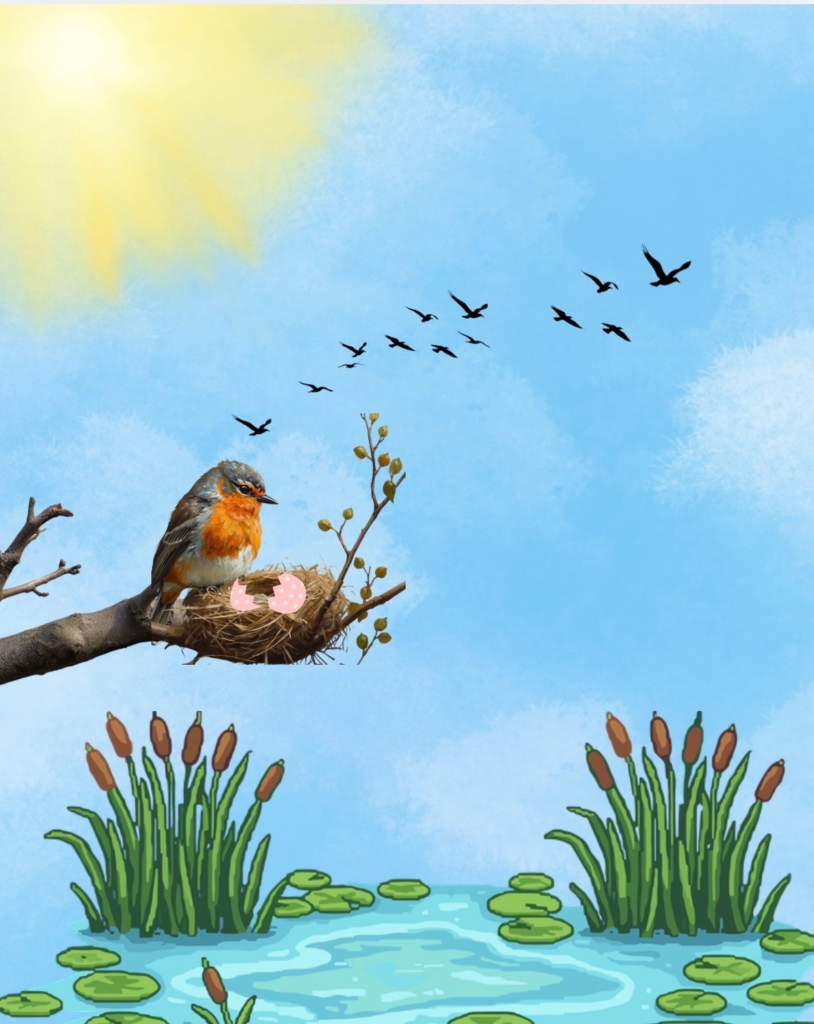
Life shifts in quiet ways and for many women this shift is one of the most profound. Rooms full of sound now echo with space that is empty and waiting to be rediscovered. This is a journey of adjustment, reflection and a chance to reclaim yourself beyond the role of “mom”.
When The House Gets Quiet:
The house feels different now, quieter than it has been in years. Rooms that once hummed with laughter and chatter are suddenly silent, leaving a strange mix of calm and emptiness. Dinner is quiet, routines feel unfamiliar and the smallest moments carry a noticeable absence. Time stretches differently, no longer woven around someone else’s schedule. A quiet pause between the self you once knew, the self you lived as “mom” and the self you are reclaiming. This transition brings a swirl of emotions, confusion, loss and sadness as women adjust to a life without the demands that once kept them up at night. The parental role may shift, but it never disappears. Learning to accept the version of yourself that isn’t “mom” takes time and reflection. For some it is freeing, more space to breathe, waves of relief washing through. For others it means deeper connections with a partner while a handful carry the immense weight of missing the everyday moments with their children. In that stillness, the feeling settles into something far deeper than absence
More Than Missing:
Who am I, if I’m not just “mom”? It’s easy to feel as if you have disappeared into everyone else’s needs, quietly carrying anxiety, sleepless nights and the changes that menopause brings, yet so few reach out for help. Women often spend a great deal of time raising children, forming strong bonds that can make the transition into an empty nest especially difficult. Dr. Lisa Morrison, director of the BACP, states, “As a woman in midlife, you kind of lose yourself.. Many women are dealing with being the ‘filling’ in the middle of the sandwich between looking after children and also caring for older adults.” Her words highlight how midlife women often feel drained and invisible, caught between caring for others and neglecting themselves, which intensifies stress and emotional strain. This aligns with research on empty nest syndrome, which shows that feelings of loss, confusion and emotional strain can quickly lead to identity crisis, anxiety and depression among midlife women. A survey conducted by the British Association for Counselling and Psychotherapy found that “almost two-thirds of women over 50 struggle with their mental health. Nine out of 10 of the 2,000 women surveyed had not sought any help.” This demonstrates that while midlife mental health challenges are widespread, they remain largely invisible, underscoring the gap between need and access to support. These mental health struggles are often compounded by hormonal changes during menopause, including fatigue, night sweats and hot flashes, which can intensify the emotional burden and make seeking support even more difficult. Professor Pooja Saini, who studies suicide and self-harm prevention at Liverpool John Moores University, notes that historically, women’s midlife experiences including menopause have received limited medical attention, and symptoms such as low mood or fatigue have often been treated as purely psychological rather than physiological. She emphasizes the urgent need for accessible, community-based services designed around women’s lived experiences so they can receive timely support without fear of stigma. These observations show that systemic gaps in medical understanding and support leave women navigating midlife challenges alone, highlighting the importance of services that genuinely reflect their experiences. Ultimately, supporting women through midlife is more than treatment; it means recognizing the burdens we cannot see, providing services tailored to their needs and experiences as well as helping them reclaim their identity beyond caregiver roles.
Why It Feels So Hard:
The nest may be empty, but the heart feels full and not always in a good way. Women often experience emotional strain, social pressures and physical changes during this stage, making it difficult to navigate. The empty nest syndrome can bring significant distress, often resulting in increased stress, behavioral symptoms, depression and in older women, cognitive challenges. Some research even suggests that this distress can alter brain structure, memory and white matter. This transition can be particularly heavy for women who feel the loss of their parental role layered with other responsibilities, leaving them vulnerable to sadness, disconnection and a sense of emptiness. For women facing relationship struggles, low marital quality and limited social support add another layer to the emotional weight they carry. Cultural expectations can further complicate this stage, as women may feel pressure to adhere to family or societal norms about when children should leave the nest. This can result in guilt, shame and unnecessary stress if those expectations aren’t met. On top of this, because of the stronger emotional bonds mothers have with their children and the compounded effect of lost roles, they experience the empty nest more intensely than men, making the process feel even more disorienting. While we may understand these challenges, understanding alone does not make them disappear, but it helps explain why the nest feels so empty and sets the stage for the next chapter we are about to step into.
Rebuilding Life After The Nest:
Life doesn’t end here, it begins again, like a door opening into a version of yourself you haven’t met yet. An empty nest can be a positive time for women to rediscover themselves. For many, this serves as a time to reconnect with parts of themselves that have been tucked away for years such as indulging forgotten passions, exploring old interests and the simple joys that felt natural. It may also be the time to connect with those who have faded into the background, whether through rebuilding friendships or strengthening a relationship with a partner through time and shared experience, it is crucial to remain socially alive. Several studies show that women empty nesters show greater life satisfaction and improved relationships when they actively rebuild these connections. Now as daily demands decrease, you have the space to explore the things that bring a sense of fulfillment such as finally writing the book you have put off for years, traveling more frequently or simply letting curiosity lead. Many have a lot to say about you and your nest, about themselves and all the things that buzz in society. It is not the time to follow expectations, but the time to make choices that reflect your desires, goals and values. This is the moment to step into your own story, embracing the freedom to shape a life that is truly yours.
You can breathe now, mom. A girl. A woman. A mother. And beneath it all, always authentically yourself.
References:
https://apriljharris.com/finding-yourself-again-after-your-children-leave-home/ https://www.theguardian.com/society/2026/mar/22/hidden-mental-health-crisis-gen-x-women?
https://www.researchgate.net/profile/Anastasia-Bougea/publication/340102135_Empty-nest-relat ed_psychosocial_stress_Conceptual_issues_future_directions_in_economic_crisis/links/5e78ce3 b92851cf271a11449/Empty-nest-related-psychosocial-stress-Conceptual-issues-future-directions -in-economic-crisis.pdf


