
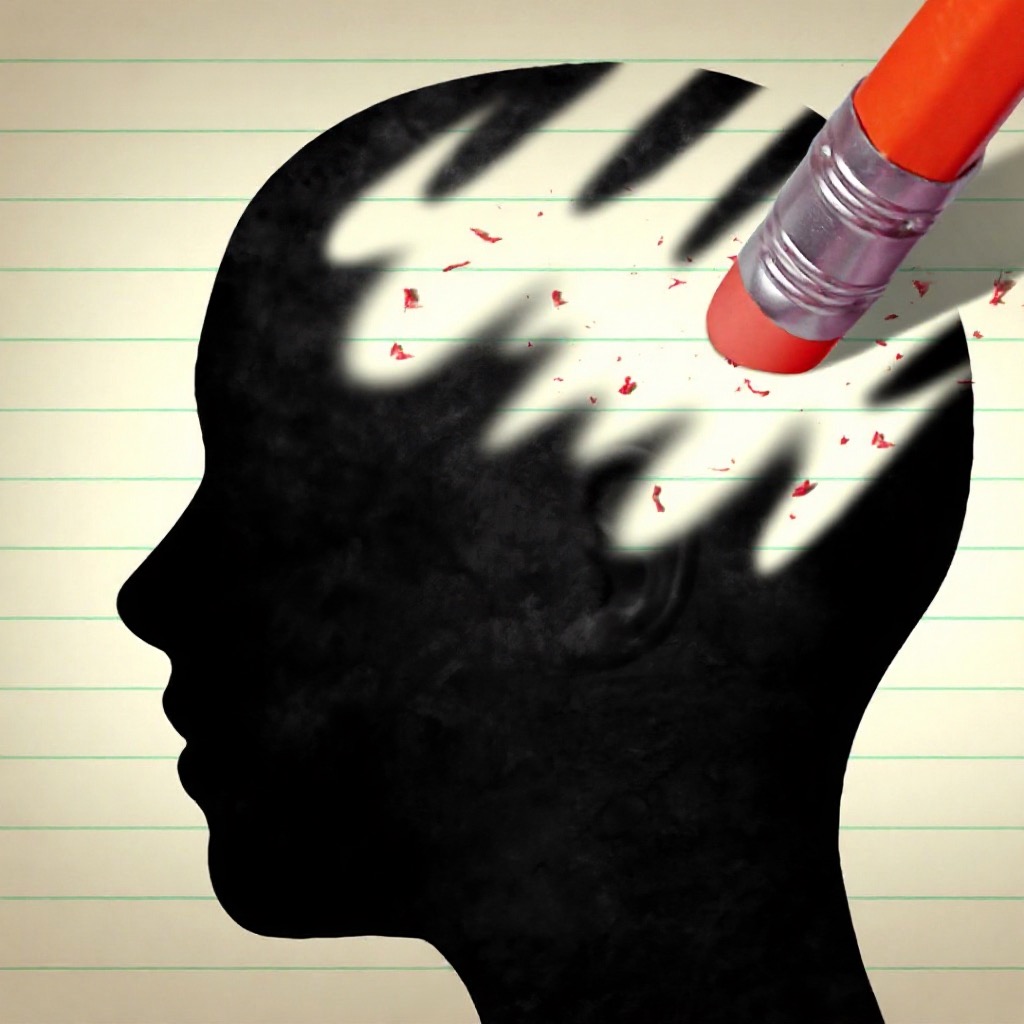
Cognitive decline is one of the most common concerns people face as they grow older. Many begin to wonder what they can do to keep their minds sharp and avoid mental decline. Cognitive aging generally occurs in 2 forms: normal and pathological. Normal cognitive aging involves gradual changes in fluid abilities such as memory, multitasking and processing speed, while crystallized abilities like knowledge and vocabulary often remain stable or even improve over time. In contrast, pathological aging, such as Alzheimer’s disease and other forms of dementia, involves more severe symptoms including difficulty communicating, increased forgetfulness of new information, and repeated questioning. Due to these differences, both researchers and the public have become increasingly interested in whether cognitive training and brain games can help maintain or improve mental performance.
The Study That Sparked Discussion:
Short bursts of brain training may do more than previously thought. A study conducted in 1998, known as the ACTIVE study, compared several forms of brain training, including exercises targeting memory, reasoning, and processing speed. The results revealed that only participants who completed the speed-training exercises experienced a reduced risk of dementia. Remarkably, just 10 hours of training, paired with a few booster sessions, made a measurable difference. Speed training works by engaging our ability to learn complex information from our environment and improving automatic, real-world cognitive skills. To explore whether longer-term training could offer even greater benefits, the National Institute of Health launched the PACT (Preventing Alzheimer’s with Cognitive Training) study, which involves 45 sessions over several years with 7,500 participants aged 65 and older; results are still pending. Meanwhile, BrainHQ, a company that calls itself “your brain’s gym,” has popularized speed-training exercises in the form of short, adaptive games. These exercises gradually increase in difficulty to challenge users and may help reverse aspects of cognitive aging. What started as a handful of brain- training sessions has proven capable of producing measurable, long term benefits for cognitive health.
Do ‘Brain Games’ Actually Work?:
Warnings about video game addictions didn’t prepare us for the surprising ways some games can improve cognitive function. One example comes from George Kovach,74, who started cognitive speed training a decade ago through BrainHQ, containing similar exercises used in the ACTIVE study. Kovach describes his sessions as challenging,yet rewarding, “I think I’ve done over 1,300 sessions. These things are hard, but you do get better at it. I look at it like doing sit-ups”. He works hard to keeps body as healthy as his brain through regular exercises and a heart-healthy diet; showing just how much a combination of mental and physical fitness can support cognitive aging. While there isn’t yet enough evidence to single out one specific game that improves cognitive function, research suggests that computerized brain-training exercises can strengthen executive function, verbal and working memory, processing speed, and spatial cognition. Other activities may also boost brain health. Playing 3D video games consistently over a 2 week period has been shown to improve cognition, while number puzzles enhance attention, memory, and reasoning, sometimes putting cognitive performance on par with people eight years younger. Regularly solving crossword puzzles has also been shown to delay memory decline by about 2.5 years. Whether completed on paper or digitally, these exercises remain effective even for those with mild cognitive impairment. Together, these findings highlight that staying mentally engaged through various exercises, from structured brain training to puzzles, can play a meaningful role in cognitive health as we age.
What Cognitive Training Actually Targets:
Cognitive training is often discussed as a way to sharpen the mind, but its benefits extend far beyond entertainment. Research reveals that mentally stimulating activities target specific cognitive abilities and regions in the brain associated with learning, memory and problem solving. Schulz and colleagues recruited 329 cognitively normal adults aged 43-73 from the Wisconsin Registry for Alzheimer’s Prevention to examine how cognitive activity relates to brain health. Participants reported how often they engaged in mentally stimulating activities using a modified version of the Cognitive Activity Scale (CAS), which included activities such as reading, playing games or completing puzzles, watching television, and listening to the radio. The researchers also expanded the scale to include activities more common for a younger population, such as attending classes, going to concerts or plays, and using a personal computer during leisure time. Participants rated how frequently they engaged in each activity on a 5 point Likert scale and completed MRI scans to examine brain structure. In addition, participants completed cognitive tests measuring abilities such as episodic memory, working memory and executive function, which allowed researchers to examine how these activities relate to key aspects of cognitive performance. The results of the study revealed that those who engaged more frequently in games and puzzles performed better on measures of cognitive flexibility and memory. Such activities were associated with greater GM (gray matter) volume in brain regions associated with memory and Alzheimer’s disease. These benefits were also observed in individuals at higher risk for Alzheimer’s. Game-based activities appeared to have a significant association with brain health more strongly than general cognitive activity overall.
Mental Fitness Beyond Brain Games:
Despite the growing popularity of brain games and training programs, cognitive health, particularly in later life, is shaped by the ways we challenge and engage our minds in everyday life. Managing high blood pressure is critical in maintaining brain health. Though on the surface it does not appear to reflect a clear link to cognitive function, research suggests that cardiovascular health is closely connected to brain health. Individuals 50 and over who have reduced their blood pressure to 120 mmHg or lower have significantly reduced their risk of developing dementia. Research on diets and dementia risk is still evolving; some studies suggest that staying hydrated and following the MIND diet, a combination of the Mediterranean diet and the Dietary Approaches To Stop Hypertension diet, may aid in the reduction of Alzheimer’s risk and slow cognitive decline. Multivitamins may also support memory and cognitive function in older adults. Physical activity offers numerous benefits for both physical and cognitive health; moderate levels of exercise have been shown to increase the brain’s ability to convert glucose to energy, which may help reduce the risk of Alzheimer’s. Exercise has also been linked to the increase in structural brain size associated with learning and memory. The Office of the Assistant Secretary for Health recommends that adults engage in a minimum of 2.5 hours of physical activity weekly. Engaging in meaningful activities can reduce boredom and stress, boost mood, memory, increase self esteem and improve overall quality of life. Creative outlets such as music, writing and artist pursuits may provide additional cognitive benefit, though further research is needed. These findings emphasize that preserving cognitive health requires a holistic approach that integrates daily engagement, lifestyle habits and physical health.
Cognitive aging is a complex process influenced by both biological changes and lifestyle factors.While research suggests the significance of targeted cognitive exercises to improve mental abilities, but diet, physical activity, cardiovascular health and meaningful daily engagement are critical in maintaining cognitive wellbeing throughout life. The aging brain is not a passive process of decline, but a system that responds to how we choose to engage it.
References:
https://pmc.ncbi.nlm.nih.gov/articles/PMC4417099/
https://www.nia.nih.gov/health/brain-health/cognitive-health-and-older-adults
https://www.uclahealth.org/news/article/4-worthwhile-brain-games-older-adults-3
https://www.npr.org/2026/02/18/nx-s1-5716010/brain-training-exercise-cut-dementia-risk-decades


